Why You Should Be Vegan
Posted on August 19, 2025
Table of Contents
I may have personally sent this to you. If I have, then I'd like to start a discussion with you in good faith because I think you have an opportunity for growth here.
This is how I'd like to proceed.
The rest of this article will give my side of things, so you could represent my position if theoretically required.
This article is divided into three main sections that build a logical case for veganism. If you prefer to bypass my personal commentary, you can use the "AI Prompts Only" toggle above. This will display only the core questions, allowing you to copy and paste them into your favorite AI and let it construct the argument for you.
Whether you ultimately find this case convincing is entirely up to you.
We start with Nutritional Viability, because without it, no proposed diet or lifestyle change makes sense. If eating animals were strictly necessary for our survival, the conversation would end there.
But that requirement has wildly outlived its expiry date. Just as humanity abandoned certain historical practices once we developed better alternatives, deriving our nutrition from animals is now technologically and practically obsolete. Today, the only remaining arguments for it are tradition, habit, convenience, and taste.
Once we establish that it isn't necessary, we move to The Reality & The Victim to examine the objective, physical impact our food choices have on animals and the environment. Finally, we tackle The Illusion of Justification, putting the most common psychological and philosophical excuses under the microscope.
Here are the links to each of the sections that comprise the argument:
1. Nutritional Viability
Is a 100% whole food plant based diet nutritionally viable when compared to a well-planned omnivorous diet? Consider cancer rates, physical power, energy levels and everything else. Also consider long term what happens after 40+ years on the diet?
Up until I was 31, I believed meat was essential for health. Since then, I've realized there's abundant evidence showing a well-planned vegan diet isn't just adequate—it's absolutely fantastic.
Of course, simply going "vegan" doesn't guarantee health. You can survive on potato chips and candy and feel terrible. But a well-planned, whole-food plant-based approach is a completely different story.
This diet is exceptional for disease prevention, athletics, and longevity. It provides the fuel for world-class Olympians like Carl Lewis (track and field), Kendrick Farris (weightlifting), and Alex Morgan (soccer), while consistently correlating with much lower rates of heart disease, diabetes, and cancer.
If you believe in hearing both sides, I invite you to review the evidence below. It's drawn exclusively from non-vegan doctors and influencers so you can weigh the facts for yourself.
Non-Vegan Health & Fitness Resources
Consider only non-vegan scientific sources and nutritionists. Do they generally claim that a well-planned vegan diet is nutritionally inadequate, or do they consider it to be a viable diet?
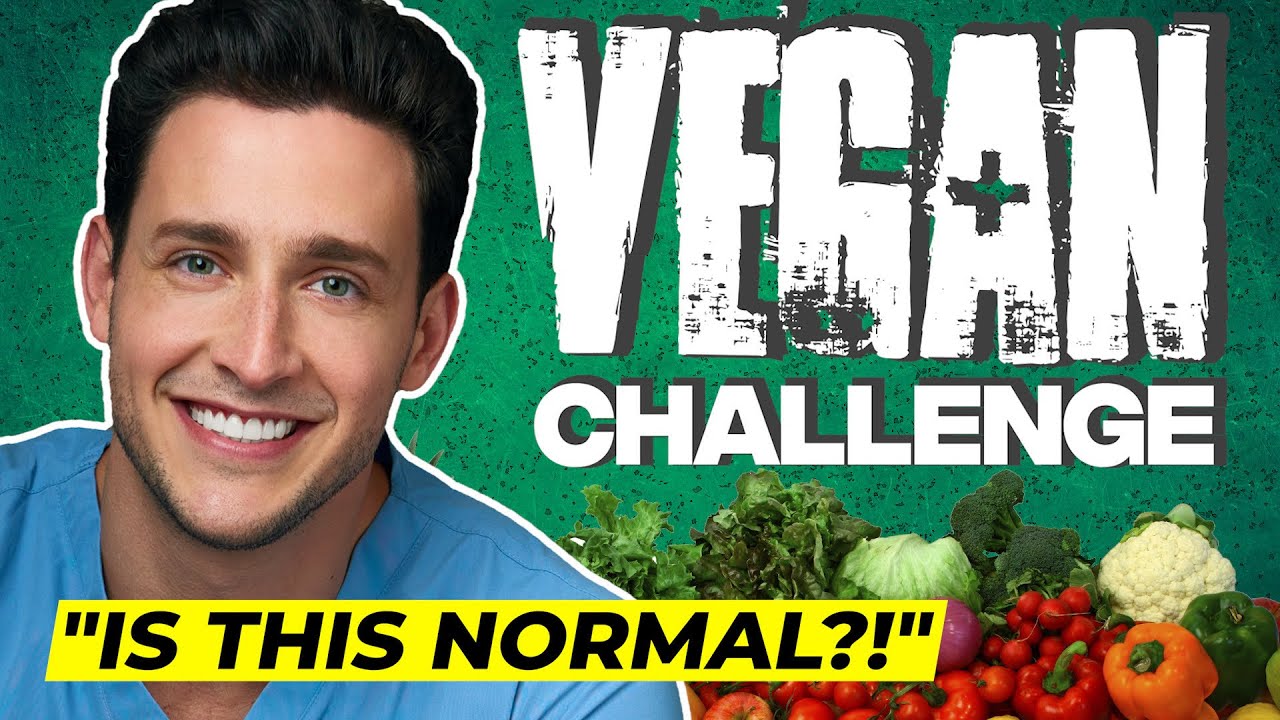
Here is the first source from Doctor Mike, one of the most popular non-vegan health channels on YouTube. I present this as evidence to answer whether a vegan diet can be exceptionally healthy.
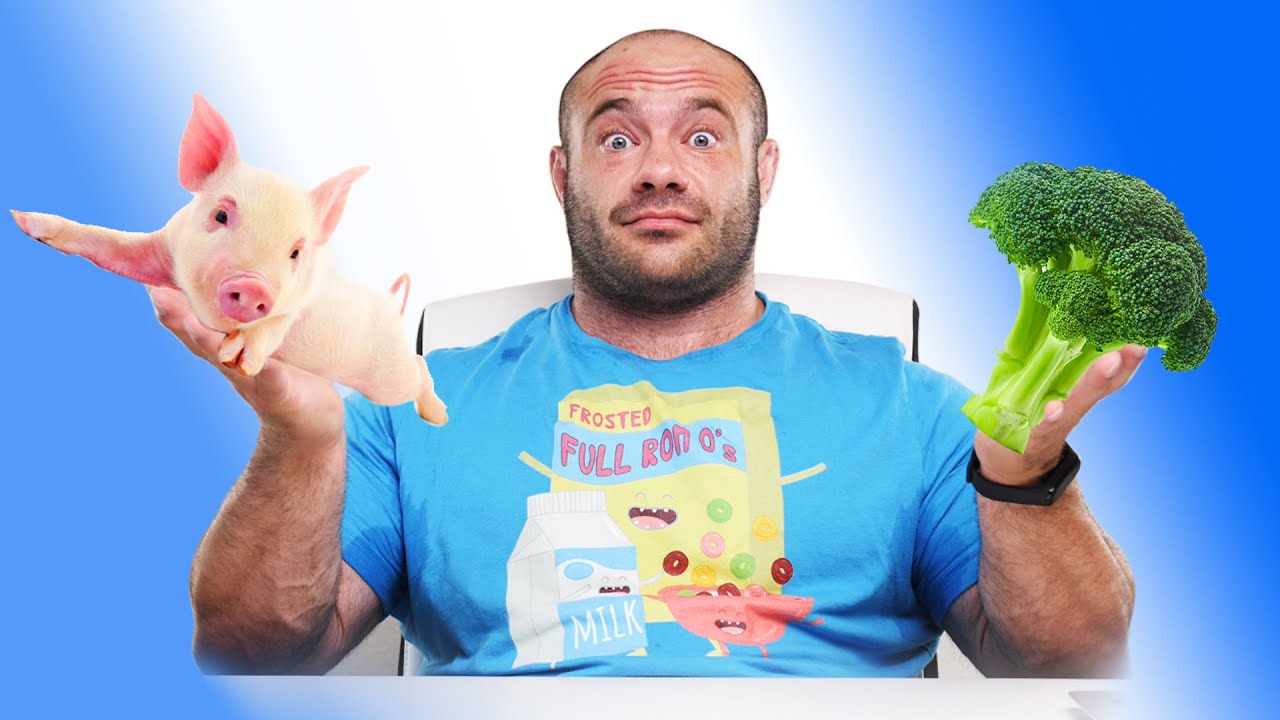
Here is my second non-vegan health science source, this time from Renaissance Periodization. I've fast forwarded to the exact moment where he talks about his opinion on whether a vegan diet is nutritionally viable.
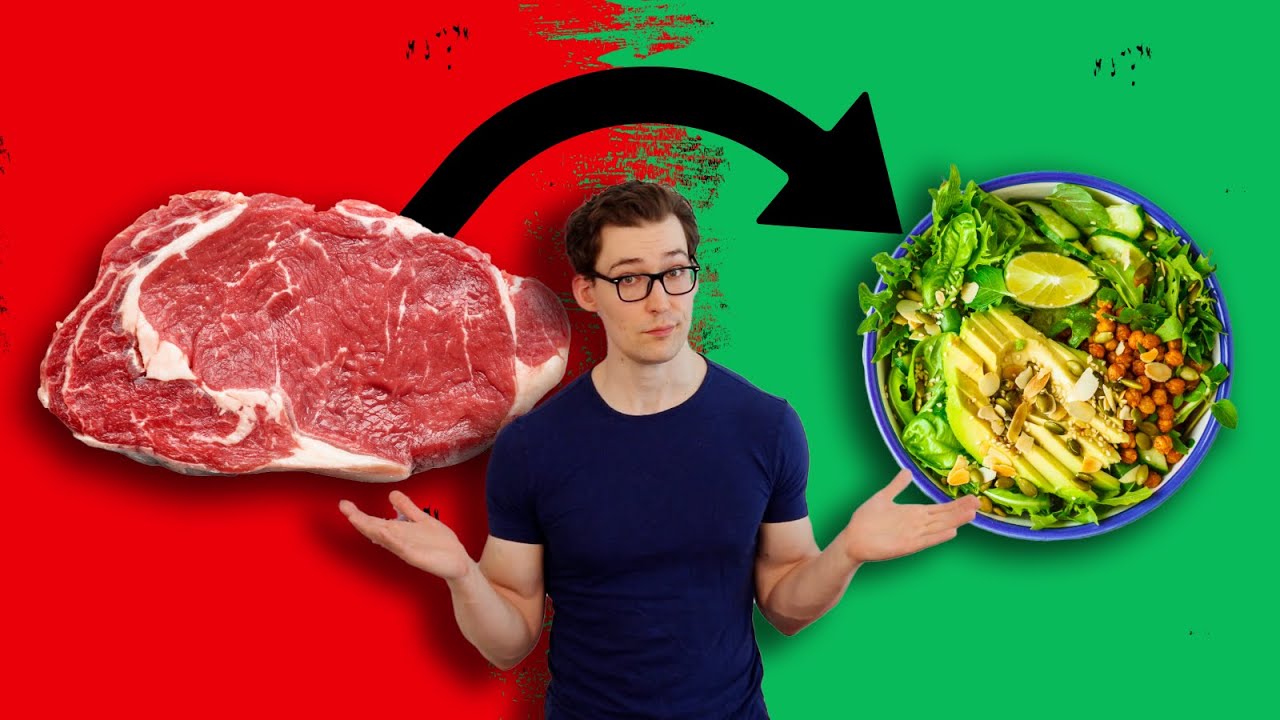
Here is my third non-vegan source from Physionic, a well-respected evidence-based nutrition channel. This video provides another perspective on the nutritional adequacy of vegan diets.
As you can see, the non-vegan science world is largely in agreement that a well-planned vegan diet is nutritionally robust and viable for most people.
It is widely accepted that it can be a top-tier diet, capable of fueling elite performance and winning at the Olympic level in any sport.
I won't present the following vegan sources as evidence, but I'll link to them in case you're interested. I want to build my case with only non-vegan sources since I think that's more compelling.
Vegan Health & Fitness Resources
Since these are biased vegan sources, you can ignore all these movies and move on the the next section.

What the Health (2017)
 Netflix
Health & Fitness
Examines the link between diet and disease, and the billions of dollars at stake in the healthcare, pharmaceutical and food industries.

Forks Over Knives (2011)
 Website
Health & Fitness
Advocates for a whole-food, plant-based diet and explores the profound claim that most chronic diseases can be controlled or even reversed by rejecting our present menu of processed foods.
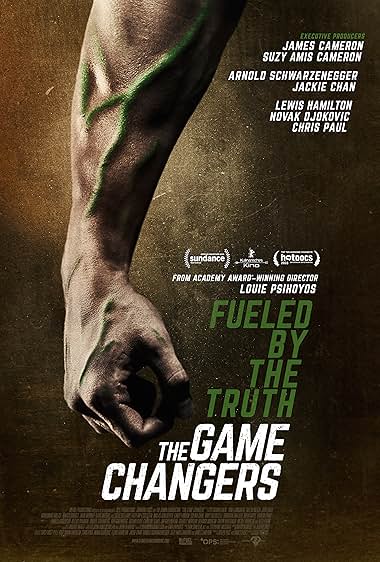
⭐️ The Game Changers (2018)
WebsiteHealth & Fitness
Elite athletes, soldiers, and scientists debunk the myth that animal protein is necessary for peak performance and optimal health.
Using AI only
If you're like me, nothing will convince you as much as doing your own research. So I wrote up some questions for you to put into any AI model:
Can I win the Olympics if I restrict myself to a whole food plant based diet, even in weight lifting, boxing, 100m dash etc?
Are vegans more likely to suffer from heart disease, diabetes, and cancer than non-vegans? If so, by how much?
Can vegans live as long as non-vegans?
Consider all the human disease in the world. If everyone switched their animal products for whole food plant based alternatives and changed nothing else, would deaths from those diseases increase or decrease? Give rough estimates then compare those numbers in scale to other known tragedies like the plague and world wars.
I hope this section has provided you with enough fair, unbiased information to see that a well-planned, whole-food plant-based diet isn't just nutritionally viable—it's an exceptionally healthy diet capable of fueling top-tier athletic performance, lowering disease risk, and promoting long-term health.
2. The Reality & The Victim
Animals can suffer, just like us
Because we are so far removed from the process of how food reaches our plates, it's easy to view farm animals as simple commodities. We often unconsciously treat them as if they are ethically equivalent to a bale of hay or a big barrel of lentils, rather than sentient beings like your neighbor's dog.
But in reality, farm animals are philosophically and biologically indistinguishable from the pets we love. They have the same capacity for joy, the same desire to live, and the same ability to experience fear and pain.
Can cows, pigs, ducks, chickens, and other farm animals feel emotions like joy, excitement, etc. Do they have favorite friends? Do they have favorite family members? Do they have favorite foods and stuff like that?
Cruelty to animals is bad. Neglecting animals is bad. Causing unnecessary pain or needlessly torturing an animal is bad. There is nothing uniquely "vegan" about these statements.
As a society, we already agree that we should not voluntarily cause harm to animals, and we have established laws that put people in prison for doing so. We all acknowledge that animals have the capacity to suffer tremendously, and we have already collectively decided that causing that suffering is wrong.
Do animals like pigs or cows really suffer when we process them for food? Do they truly even have the capacity to suffer?
Scale of the massacre
Every year in America alone, over 50 billion land animals are killed for food (as of 2025, and this number increases every year). Globally, the number exceeds 90 billion. Click here to see how many have been killed so far this year.
To put this into perspective: every single year, the US slaughters more land animals than the entire human population that has ever existed in the history of the world.
Right now, at this very moment, on American highways, there are an estimated 5,000 transport trucks on the road. Inside these trucks are living, terrified beings: cows, pigs, and chickens, being transported to slaughterhouses.
The objective process of slaughter is brutal. When animals arrive, they are often terrified and resist leaving the transport vehicles. They are forced down chutes using electric prods. Inside the facilities, animals are regularly suspended upside down, and many remain fully conscious as they are processed.
We must also consider that 98% of all animals abused and killed on this planet are abused and killed by the meat, dairy, and egg industries. This is not a fringe issue; it is the primary source of animal suffering globally.
The Weight of a Single Life
When we hear a number like 50 billion, human psychology fails us. The number is so unimaginably large that our brains simply categorize it as a statistic. We start to view it as a massive inventory, like a warehouse holding 50 billion chocolate bars.
If someone steals 50 billion chocolate bars, it is a crime of staggering scale, but the fundamental unit of that crime—stealing a piece of candy—is still just a property crime. There is no victim experiencing fear or pain.
But the fundamental unit of the meat industry is not a chocolate bar. It is a sentient individual.
If a person were to lock a single pet dog in a dark cage, needlessly torture it, mutilate it, and slaughter it, we would be horrified. That person would face felony animal cruelty charges and go to prison. And we would all agree with this sentence, vegan or not. We instinctively recognize the profound gravity and darkness of that single act.
If a private citizen were to systematically confine, mutilate, and kill a neighborhood golden retriever, what would the legal and social consequences be? Ethically and philosophically, is there a difference between doing this to a pet dog versus doing it to a pig in a factory farm?
What happens inside a slaughterhouse does not become less severe just because it happens more often. The meat industry is simply that exact same jailable offense against a conscious being, multiplied by 50 billion, every single year.
It's Not Just Animals: The Human Cost
The victims of the meat industry are not exclusively the animals. The system also deeply victimizes the human beings who are tasked with carrying out the violence on our behalf.
Slaughterhouse workers are often marginalized individuals who take the job out of financial desperation. Inside the facility, they are forced to kill hundreds or thousands of terrified, sentient animals every single shift. This relentless, daily exposure to violence and death takes a devastating psychological toll.
Researchers have identified a specific psychological condition associated with this line of work called Perpetrator-Induced Traumatic Stress (PITS). It is a form of PTSD that results not from being the victim of trauma, but from being the active participant required to cause it. Workers frequently suffer from severe anxiety, depression, and dissociation, often turning to substance abuse to cope with the visceral reality of their daily tasks.
What are the psychological effects of working in a slaughterhouse? Explain Perpetrator-Induced Traumatic Stress (PITS) and how it correlates to rates of substance abuse, depression, and domestic violence among slaughterhouse workers.
The normalization of violence on the killing floor inevitably spills over into the broader community. Studies consistently show that towns with slaughterhouses experience distinct, measurable spikes in violent crime, including domestic abuse, compared to similar towns with other types of manufacturing industries.
When we choose to consume animal products, we aren't just paying for an animal to die. We are paying another human being to endure profound psychological trauma so that we don't have to do the killing ourselves.
The Environmental Reality
I'm not a big environmentalist, so I won't take up too much time here. But due to the simple biology of trophic levels, there is no denying the completely unnecessary resource wasting that occurs when we cycle our food through animals.
It takes vastly more land, water, and energy to grow plants, feed them to an animal, and then eat the animal, than it does to simply grow plants and eat them directly for the exact same number of calories. These inefficient mechanics lead to the environment being totally devastated.
If I cared about the environment, which diet is the best and kindest to the planet? Compare a whole-food plant-based diet, an omnivorous diet, and any other major diets in existence.
If you want to dive deeper into the environmental devastation caused by animal agriculture and commercial fishing, here are some eye-opening resources:

Cowspiracy (2014)
NetflixEnvironment
Reveals the devastating environmental impact of animal agriculture on our planet.

Seaspiracy (2021)
NetflixEnvironment
Uncovers the devastating impact of commercial fishing on marine ecosystems worldwide.

Countdown To Year Zero (2019)
WebsiteEnvironment
Chronicles the urgent environmental crisis and the role of animal agriculture in climate change.
3. The Illusion of Justification
"It's easier to fool people than to convince them that they have been fooled."
- Mark Twain
We have established two objective realities: human beings do not need animal products to thrive, and the immense scale of suffering in our food system is undeniable. When you combine these two facts, a grim truth emerges—the violence we inflict on animals is entirely voluntary.
It is true that simply existing in the modern world causes collateral damage. Generating electricity, for instance, drives pollution, poor mining conditions, and habitat destruction, yet functioning without the grid is nearly impossible. Food is fundamentally different. Replacing animal products with plant-based alternatives is not only possible, but increasingly effortless.
Because this immense harm is so easily bypassed, the conversation must shift to ethics. We have to look honestly at our choices and ask ourselves: is there any valid justification left for paying others to commit this violence on our behalf?
The Shared Standard
A common misconception is that veganism requires adopting a radical new set of morals. It doesn't. It simply asks us to consistently apply the morals we already hold.
As a society, we already agree on this fundamental ethical baseline:
If you cause suffering to another being, you must have a very good reason for doing so.
The greater the suffering you cause, the greater the justification needed.
When people violate this rule unnecessarily, society universally condemns them. We see this clearly when public figures harm animals:
- Michael Vick (2007): Ran a dogfighting ring. The condemnation was absolute and he went to prison.
- Walter Palmer & Cecil the Lion (2015): A dentist paid to kill a beloved lion, causing worldwide outrage.
- Kurt Zouma (2022): Filmed kicking his cat, resulting in lost sponsorships and criminal charges.
Society didn't care that these individuals were wealthy or famous. They crossed an ethical baseline that we all share.
Summarize what happened in the cases of Michael Vick (dogfighting), Walter Palmer (Cecil the lion), and Kurt Zouma (kicking his cat), and describe the public reaction and worldwide condemnation they faced. Then, from the perspective of the animals experiencing the harm, compare the total amount of suffering caused by those three individuals to the amount of suffering that occurs in a single standard factory farm slaughterhouse on a single day. Why does society severely condemn the former while willingly funding the latter?
The Moral Equivalence
If we truly believe in our shared standard, we have to test our dietary justifications against it.
Consider the "Taste Pleasure vs. Sadistic Curiosity" comparison. If someone tortures a dog because they derive sensory pleasure from watching it suffer (sadism), we rightfully label them a monster. We completely reject the idea that their visual pleasure justifies the animal's pain.
If sensory pleasure derived from sight is not a valid justification for violence, then sensory pleasure derived from taste cannot logically be a valid justification either. Under any consistent, suffering-based ethic, sensory pleasure is never an excuse for causing harm.
In ethical philosophy, if a person harms an animal purely for the visual sensory pleasure of watching it suffer (sadism), society universally condemns it. Logically, is there a moral difference between harming an animal for visual sensory pleasure versus harming an animal for the gustatory sensory pleasure of tasting it? Explain how sensory pleasure holds up as a moral justification under a suffering-based ethic.
The Blind Spot
If the logic is so clear, why don't we feel like abusers when we eat a burger? How do we live with this massive cognitive dissonance?
The answer lies in childhood conditioning and a concept called Speciesism. We are born with innate empathy for animals. As children, if an animal was hurt in front of us, we would naturally scream and cry.
However, through tradition, culture, and relentless industry marketing (like happy cartoon cows on milk cartons), we were systematically conditioned to disconnect the packaged product from the victim. We were taught Speciesism—an arbitrary, learned discrimination that dictates some animals are family, while others are objects. It is a prejudice structurally identical to racism or sexism, entirely dependent on cultural geography.
Explain the concept of 'Speciesism.' How does societal and cultural conditioning from childhood cause humans to disconnect their innate empathy for animals from the food on their plates? Are there structural similarities between speciesism and other forms of learned discrimination?
The Fallacy of Moderation
When confronted with this reality, the first instinct for many is to negotiate a compromise. We say things like, "I'll do Meatless Mondays," or "I'll only buy locally-sourced, humane meat."
But this is a logical fallacy. Society functions because we agree on certain ethical baselines—lines that we simply do not cross. Think about the things we universally condemn. We don't say "try to do less of it." We say "don't do it at all."
The "Stealing Cars" Analogy:
Imagine if someone said, "I'm a pretty ethical person. I used to steal cars every day, but now I only steal them on weekends." Doing an immoral action less often doesn't make you moral.
The "Dog Beating" Analogy:
If someone reduces beating their dog from 7 days a week to 3 days a week, they are not a hero. They are still an animal abuser.
Moderation is a logical fallacy when applied to an unjustifiable system of violence. As long as you fund it at all, you are crossing the ethical baseline.
The Expiry Date of Exploitation
When an action causes immense harm, its justification usually relies on absolute necessity. For example, stealing bread to survive in a famine is entirely different from stealing when you have a fully stocked pantry.
Throughout history, humanity has relied on exploitative and horrific systems—from extreme resource theft to human slavery—for economic gain and survival. As technology, society, and ethics evolved, those systems became obsolete and were rightfully abandoned. We moved beyond them.
We have already established in Section 1 that animal products are nutritionally unnecessary. In Section 2, we established the sheer, staggering scale of this horrific practice. We are currently operating what can easily be argued as the most exploitative, industrialized systemic hell on Earth. We have magnified our capacity for cruelty to levels never before seen, creating a system of violence whose annual death toll mathematically dwarfs every war, genocide, and atrocity in human history combined.
The animal agriculture model has officially passed its expiry date. We no longer live in a time where we must hunt or farm animals to survive the winter. We have abundant, thriving, plant-based alternatives at our fingertips.
Continuing to fund this obsolete model of mass harm purely for taste, tradition, or convenience is a failure to adapt to modern reality, and a profound ethical failure.
Analyze the historical trajectory of exploitative systems that were abandoned as society and technology evolved. In the context of modern nutritional science, evaluate the argument that animal agriculture has become a technologically and ethically obsolete system.
Personal Accountability
We need to have a moment of absolute, uncomfortable honesty. I am not saying this to be mean, but I am also not going to lie to you to protect your feelings. You cannot change a reality that you refuse to acknowledge.
It is very easy to blame a faceless "system," the government, or the corporations for the horrors of factory farming. But the supply only exists to meet your demand. When you purchase animal products, you are not a passive bystander. You are the employer. You are handing the slaughterhouse worker the knife.
Earlier, we discussed figures like Michael Vick and Kurt Zouma. If you are not vegan, you are participating in the exact same level of abuse as those men. In fact, mathematically, over the course of a lifetime of consuming animal products, you are responsible for vastly more suffering and death than they ever caused.
We cannot shy away from this fact: if you pay for animals to be unnecessarily exploited and killed for your sensory pleasure, you are an animal abuser.
Ignorance and childhood conditioning are valid excuses for our past. But once you have seen the footage and understand that the nutrition is unnecessary, that excuse vanishes. From this moment forward, every non-vegan meal is a deliberate, personal choice to inflict harm.
Analyze the ethical accountability of consumers who purchase animal products under supply and demand economics. Discuss the concept of personal responsibility for industry practices, and compare the lifetime impact of an average consumer to publicized cases of animal abuse.
If you are ready to confront the reality of these systems and learn more about the ethical implications of our choices, the resources below provide a comprehensive, unflinching look into the truth behind the industry.
Animal Welfare Resources

⭐️ Dominion (2018)
 YouTube
Animal Welfare
Exposes the harsh realities of modern animal agriculture through hidden camera footage.

Land of Hope and Glory (2017)
YouTubeAnimal Welfare
Documents the reality of animal farming in the UK through undercover footage.

Meet Your Meat (2012)
YouTubeAnimal Welfare
A powerful short film showing the journey from farm to plate in the meat industry.

Speciesism: The Movie (2013)
WebsiteAnimal Welfare
Explores the concept of speciesism and challenges our assumptions about animals.

My Octopus Teacher (2020)
NetflixAnimal Welfare
A filmmaker develops an extraordinary relationship with an octopus living in a kelp forest.

Milked (2021)
YouTubeAnimal Welfare
Exposes the environmental and ethical issues surrounding New Zealand's dairy industry.
Still Not Convinced?
I did my best here to provide an honest, fact-based view of why I think you should be vegan, but I am human, and I often miss important facts. I openly admit that there could be a flaw in my reasoning.
I know there are many reasons people use to justify not being vegan. For a comprehensive examination of what I consider the strongest arguments against veganism, you can check out my article on The Strongest Arguments Against Veganism.
If you've read this far and you are still not convinced, would you honour me by pointing out exactly where I've erred in my thinking?
I am genuinely interested in hearing your perspective, understanding your hesitations, and learning from you.