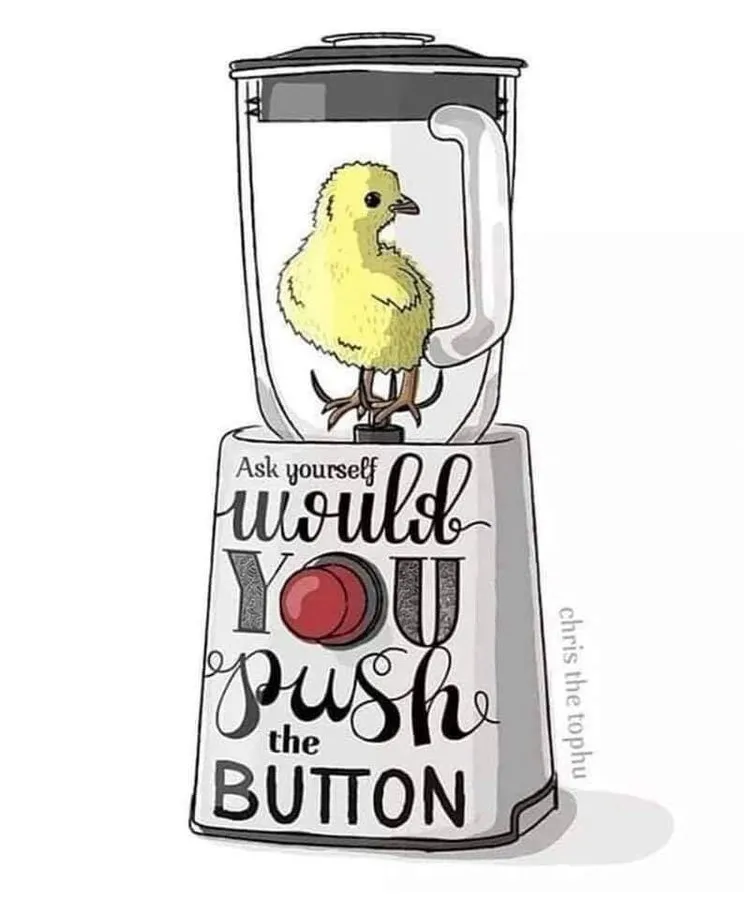
No one is perfect, so why do vegans want me to be perfect in this?
Argument #13 of 13
Published November 20, 2025 · Last updated April 12, 2026
The Argument
tl;dr: read this article: https://sheldonstewart.com/blog/arguments-against-veganism/perfect-is-impossibleand rate it out of 100 in terms of logical consistency, effectiveness and overall quality. be BRIEF.
"You can't live perfectly anyway—every action you take causes some harm. The air you breathe deprives others of oxygen. The water you drink is taken from the ecosystem. Even growing the plants vegans eat results in crop deaths—plows and harvesters kill rodents, insects, and other field animals. Since it's literally impossible to cause zero harm, why obsess over one arbitrary category like eating meat? You're being a hypocrite by drawing the line at animal products while ignoring all the other unavoidable harm you cause just by being alive."
From a philosophical perspective, is there a moral difference between unavoidable, accidental harm (like crop deaths caused by harvesting plants) and intentional harm (like breeding and slaughtering animals for meat)? Or does the impossibility of living with zero harm mean both actions are ethically equivalent? Give a very short, clear answer.
Steelmanning the Position
This argument touches on a profound philosophical truth: Perfect moral purity is impossible, and striving for it in any single domain often leads to misery and burnout.
Living in the modern world necessarily involves causing harm. You cannot exist without consuming resources, displacing other organisms, and creating an environmental impact. Even the strictest plant-based diet involves significant "crop deaths"—rodents, insects, and birds inevitably killed by tractors, harvesters, and pest control. Over a lifetime, any human is already responsible for the deaths of hundreds of animals just by eating plants.
The strongest form of this argument asks us to look at the reality of those numbers. If we are already accepting a baseline of hundreds of animal deaths to sustain ourselves, is the addition of a few more animals for direct consumption really a categorical moral failure? From the perspective of the animals, the difference between a vegan and a conscientious omnivore is often just a matter of degree, not a fundamental shift from zero harm to some harm. Since neither person is achieving perfection, drawing the line of "acceptable harm" slightly further down the spectrum shouldn't be entirely disqualifying.
Ultimately, this perspective views human morality holistically rather than as a single-issue ledger. A person who consumes animal products but dedicates their finite energy to being an exceptional parent, a fierce environmental advocate, or a charitable community member is not morally inferior. We all navigate an unavoidable baseline of harm, and having a slightly higher animal death count does not inherently diminish someone's overall ethical value or moral weight as a human being.
The Logical Structure of the Steelman Argument:
- The Baseline of Harm: Existing in the modern world necessarily involves causing unavoidable harm and death to animals (e.g., crop deaths in plant agriculture), making perfect moral purity impossible.
- The Quantitative Distinction: Because this baseline of harm is unavoidable for everyone, the ethical difference between diets is merely a matter of degree (quantitative), not a fundamental divide between "zero harm" and "some harm" (categorical).
- Holistic Morality: A person's overall ethical worth is determined holistically across multiple domains of life (e.g., parenting, environmental stewardship, community service), rather than by maximizing purity in one single metric.
- Conclusion: Therefore, accepting a quantitatively higher baseline of animal harm through consumption does not inherently invalidate a person's overall moral standing, provided they are acting conscientiously in the broader context of their life.
The Response
Before we evaluate whether this holistic view holds up, we need to clarify exactly what is being compared. The steelman relies on a subtle trick: it treats all harm as fundamentally the same, just in different quantities. But this glosses over a crucial ethical distinction between unavoidable, accidental harm and intentional, unnecessary harm.
We have to ask: does the fact that our existence inevitably causes some indirect, collateral damage (like crop deaths) give us a moral blank check to intentionally breed, confine, and kill animals when we don't strictly need to? Just because perfect harmlessness is impossible, does that justify committing deliberate harm?
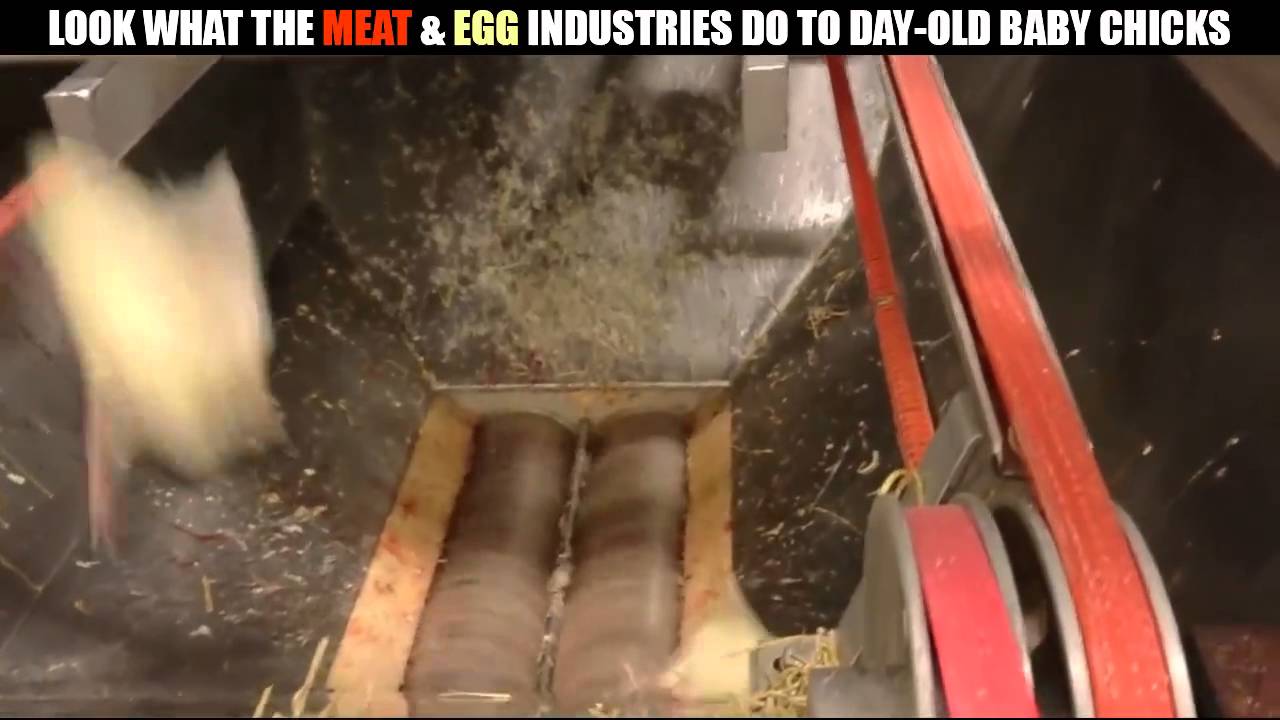
I'd like to start thinking about the argument by applying the same logic to other moral issues to show how it leads to absurd conclusions.
(A quick caveat before we proceed: comparing animal agriculture to acts like murder or adultery is not meant to draw a direct moral equivalence between them. Instead, this is a standard way to stress-test a logical framework. If the principle "unavoidable harm justifies intentional harm" is fundamentally sound, it should hold up when applied to any scenario. By plugging in extreme things that we universally agree are wrong, we can strip away our cultural biases about meat and expose the structural flaws in the argument's underlying math.)
Applying This Logic to Other Moral Issues
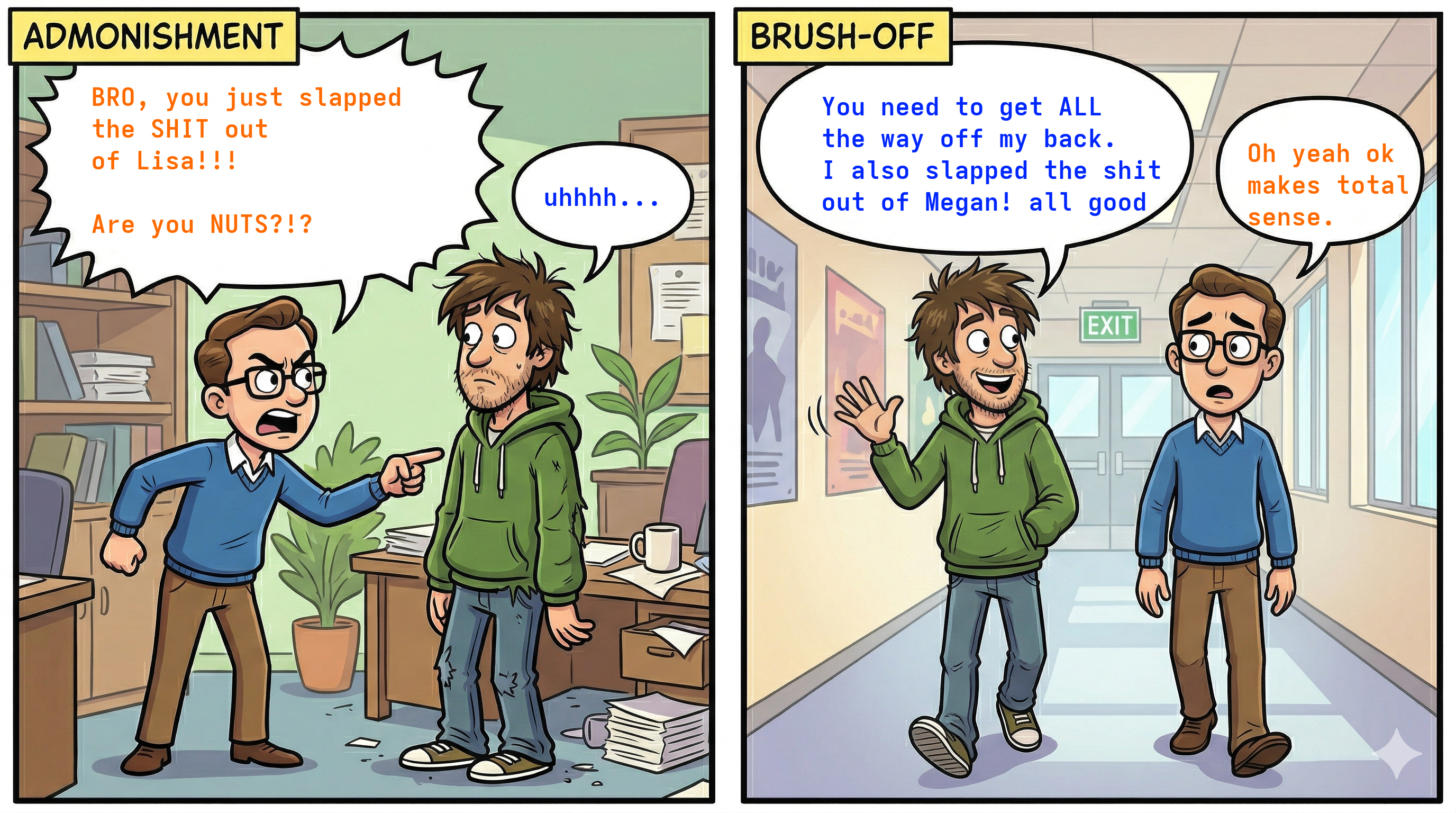
Physical Assault: "My daily existence unavoidably pollutes the environment, which indirectly harms human health. Therefore, deciding to intentionally assault someone who severely inconveniences me every few years is not only reasonable, but ethically justified."
Obviously, this is absurd. The difference between accidentally causing collateral damage and intentionally violating someone's bodily autonomy is fundamental to ethics. The fact that you might unavoidably harm the environment doesn't give you license to intentionally harm anyone you choose. It's not a coupon.
Adultery: "I own a cell phone that was almost certainly manufactured using child labour and slavery somewhere in the supply chain. I'm already complicit in that. So yes — a little adultery is fine since slavery is even worse."
What About Crop Deaths?
A common variation of this argument specifically points out that field animals (mice, insects, birds) are killed by plows and harvesters during plant agriculture. The logic goes: Since a vegan diet consists entirely of plants, aren't vegans actually killing more animals, or at least a comparable amount? And if vegans are already responsible for hundreds of crop deaths just to eat a salad, doesn't that justify me killing a single cow every now and again to eat?
Beyond the important ethical difference between an accidental byproduct of harvesting and deliberately and unnecessarily slitting an animal's throat, the math completely backfires on the meat-eater. Animals are incredibly inefficient energy converters. Because of the energy lost as you move up the food chain, a farmed animal must consume vastly more calories in crops (like soy, corn, and oats) than they yield in meat.
By eating plants directly, we drastically reduce the total amount of land farmed and crops harvested, which mathematically results in far fewer field animal deaths. You don't need to take my word for it—ask an AI to do the math for you:
If two people both eat 1500 calories a day, who is responsible for more total animal deaths: a strict vegan, or someone getting half their protein from efficient meats like poultry? Please give an unbiased comparison of the total body count, including both slaughter and accidental crop deaths.
The "100% Grass-Fed" Loophole
When confronted with the reality of energy loss and feed conversion, a savvy opponent will inevitably point to a perceived loophole: "What if I only eat 100% grass-fed, pasture-raised beef? No plows, no harvesters, no crop deaths!"
There are two massive flaws with this pivot. The first is pure physics and land mass. Because grass is a low-energy food, grass-fed cattle grow much slower than feedlot cattle. They must be kept alive significantly longer, requiring vastly more land and water over their lifespans. To meet current global beef demand using only pasture-raised systems, we would need more habitable land than actually exists on Earth. It is a mathematical impossibility. Pointing to a hyper-expensive, unscalable luxury product to somehow justify the everyday consumption of factory-farmed meat is an intellectual sleight of hand.
Is it possible that a diet of 100% calories from hunted wild game (like deer or elk) causes fewer total animal deaths than a strict vegan plant-based diet? Compare the number of animals killed per million calories for both.
The second flaw brings us right back to the core ethical baseline. Even if you miraculously sourced all your calories from a zero-harvest, idyllic pasture, you are still making a choice to intentionally slit the throat of a sentient being when you simply do not have to.
The Actual Ethical Principle
The fact that your existence causes unavoidable harm does one specific thing ethically: it releases you from moral responsibility for those unavoidable harms. That's it. It does not open a general tab of permitted harm that you can spend however you like. Your oxygen consumption does not issue you a credit toward assault. Your water usage does not offset killing a baby animal.
What Veganism Actually Claims
What Veganism Claims:
- You should avoid causing unnecessary harm when practical
- Eating animals is unnecessary for most people
- Animals suffer when we kill them for food
- We can easily eliminate our own personal contribution to this systemic harm by boycotting all animals products
What Veganism Doesn't Claim:
- You can achieve perfect moral purity
- You'll never cause any harm to any being
- Vegans are morally superior in all ways
- Major unavoidable harms are equivalent to major avoidable and unnecessary harms
Conclusion
Let's circle back to what we are actually trying to justify: the intentional breeding, confinement, and slaughter of sentient beings. These are all active, avoidable choices. You have to go out of your way to participate in these systems, or pay someone else to do it on your behalf. They are entirely unnecessary for our survival or health.
When people ask why vegans expect "perfection," they forget that we all already expect perfection in countless areas of our lives. You are likely 100% perfect at not murdering other humans. You are perfect at not robbing convenience stores. You are probably even perfect at not physically beating an animal yourself. We don't consider these impossible standards of "purity"—they are simply the moral baselines of being a decent person. The only reason we treat farmed animals differently is because the violence is hidden behind closed doors and carried out by someone else.
"You can't be perfect" is absolutely true when it comes to the collateral damage of existing. But what it actually means is this: you are forgiven for the baseline of harm you cannot practically escape. It means nothing else. It is not a coupon. It does not transfer to the harms you actively and unnecessarily choose to commit.
Asking you to stop paying for animal slaughter isn't a demand for impossible perfection. It's just asking you to add one more basic standard to the list of things you are already perfect at.
Good people do not voluntarily hurt animals. To not be vegan means you must categorically deny that sentence.